Windows, virtually
or, the three R's
Setting the stage
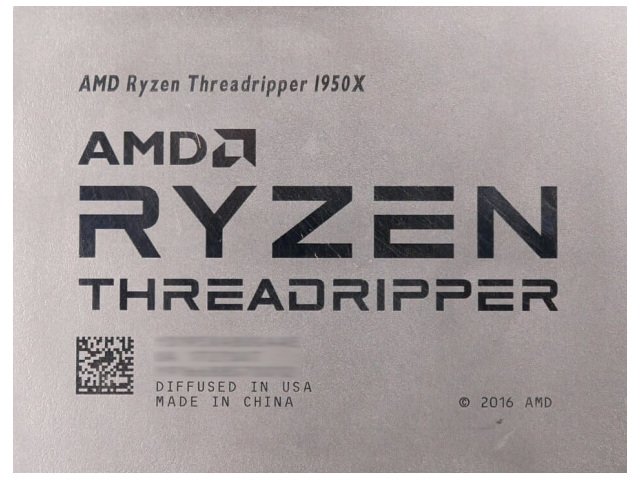
I have myself a monster of a machine from a couple of old projects that was now sitting, collecting dust. We're talking about an AMD Ryzen Threadripper 1950x, a first generation, 16 core, 32 thread, 3.4GHz base clock beast of a CPU, sitting on an MSI X399 Gaming Pro Carbon AC motherboard with 64GB of 3333MHz DDR4. Not too shabby...
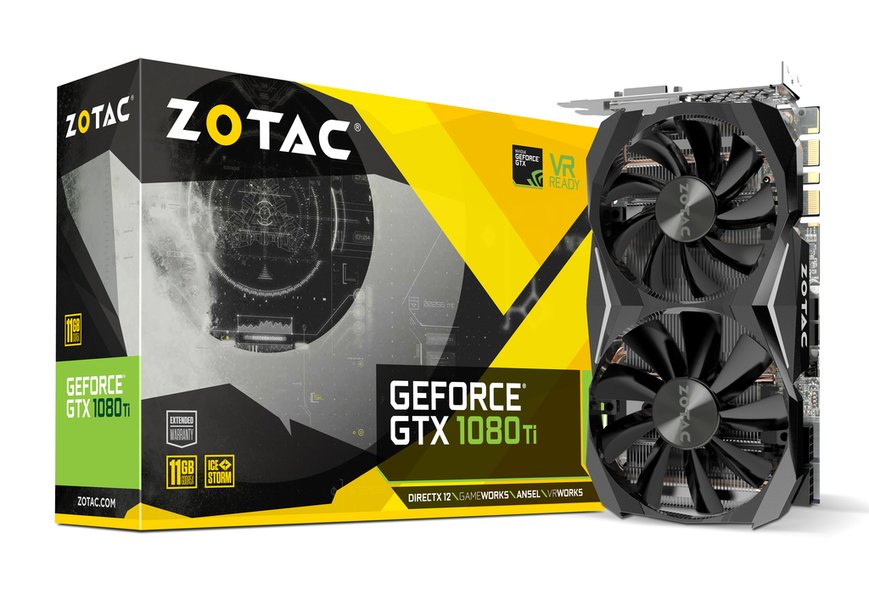
Zotac GTX 1080ti mini
Paired with it there's a cute little Zotac GTX 1080 ti mini graphics card, the king of understated GPUs. It is small, it is pretty, it is FAST.
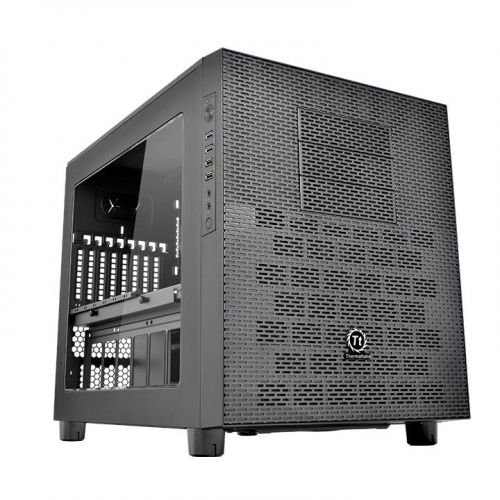
Core X5
And we top things up using a Thermaltake Core X5 case, because even though the GPU is small and misleadingly powerful, we didn't want anyone to look at the system and mistake it for something common or delicate. Well, to be honest I couldn't care less about the looks, but I suck at cable management and I had plans to use water cooling at some time in the future, so I got a large case to future proof it :)
Reduce
Right now I have a few always on machines as well as some occasional use ones. I have a Raspberry Pi serving OctoPrint for my 3D printer, I have an old HP laptop running a linux server I use as a jack of all trades, for testing and developing network services, for VPN and such. A dedicated 4 disk NAS serves the house with Terabytes of somewhat redundant storage. Then there's the Windows desktops, these are mostly for gaming with the occasional creative use, and these see almost, but not quite, daily use. The big old threadripper machine described is one such windows machine at the moment, and while it excels at concurrent gaming and streaming, as well as video editing tasks, that is seldom the use case these days.
Reuse
With 16 cores and 64GB of RAM, there is more than enough horsepower to run a few virtual machines and/or virtual containers. The one issue I've always had with the Windows VM approach is graphics performance.
I mean, I've used QEMU and KVM for linux systems and the performance is always impressive. Assigning raw block devices to VMs accomplishes bare metal performance or close enough to be indistinguishable in all my normal use cases, network bottlenecks are something I haven't experienced using Virtio, there's really nothing I can point my finger at. And with LXC I can have contained services without the full overhead of a virtual machine.
For windows, however, I have used Parallels and VMWare with good success, though graphics performance is "good but not great". I have also used KVM with windows guests, and it works fine but with even worst GPU performance. So one day I'm watching Linus Tech Tips and the final part of the 6 Editors 1 CPU series shows using Unraid with GPU passthrough. Now, I started on the last installment of the series, I assume they mentioned it previously and there are many other previous and following videos where they use that same tech, it was just the first time I actually paid attention to that. GPU Passthrough... that's pretty much exactly what I need here to get a couple of windows virtual machines off of that barely used hardware base, right?
Recycle
Well, there isn't much to recycle, really. The left over machines might get gutted for graphics cards and storage reuse, but will eventually find a new meaning in life around the house or office and, failing that, will make their way onto the hands of my fellow tinkerers that are local to me. No computer left behind!
Conclusion, or, the plan so far
I'm going to try to leverage KVM to run windows virtual machines and LXC (or Docker, not sure yet) for my linux based services. Exactly how much stuff I'll be able to shoehorn into one single physical machine is still to be asserted, but I'm feeling confident!
I'll start with a Ubuntu server base, which will somehow manage the virtual machines, and try to separate all services into containers, but all that is still to come.